Case Study: How Doula Support Improved Birth Outcomes in Westchester


Introduction to Doula Support in Westchester
In recent years, the role of doulas in childbirth has gained significant attention. In Westchester, the adoption of doula support has shown promising results in improving birth outcomes. This case study explores how doulas have made a difference for expectant families in the region.

Understanding the Role of a Doula
A doula is a trained professional who provides continuous physical, emotional, and informational support to a mother before, during, and shortly after childbirth. Unlike medical professionals, doulas focus on the non-medical aspects of childbirth, ensuring that the mother feels supported and empowered throughout the process.
Benefits of Doula Support
The presence of a doula during childbirth has been linked to various positive outcomes. Some of the key benefits include:
- Reduced need for medical interventions: Studies show that having a doula reduces the likelihood of C-sections and the use of epidurals.
- Shorter labor duration: Continuous support can lead to a more efficient labor process.
- Improved maternal satisfaction: Mothers report higher satisfaction with their birth experience when supported by a doula.

Case Study: Westchester's Experience
In Westchester, a pilot program was initiated to integrate doulas into the local healthcare system. The program aimed to provide comprehensive support to expectant mothers, particularly those from underserved communities. By collaborating with hospitals and clinics, doulas became an integral part of the birthing team.
Impact on Birth Outcomes
The results of the pilot program were remarkable. Participating mothers in Westchester experienced a 30% reduction in C-section rates compared to the national average. Additionally, there was a noticeable decrease in the use of pain relief medications, highlighting the effectiveness of doula support in managing labor pain naturally.
Community Feedback and Future Prospects
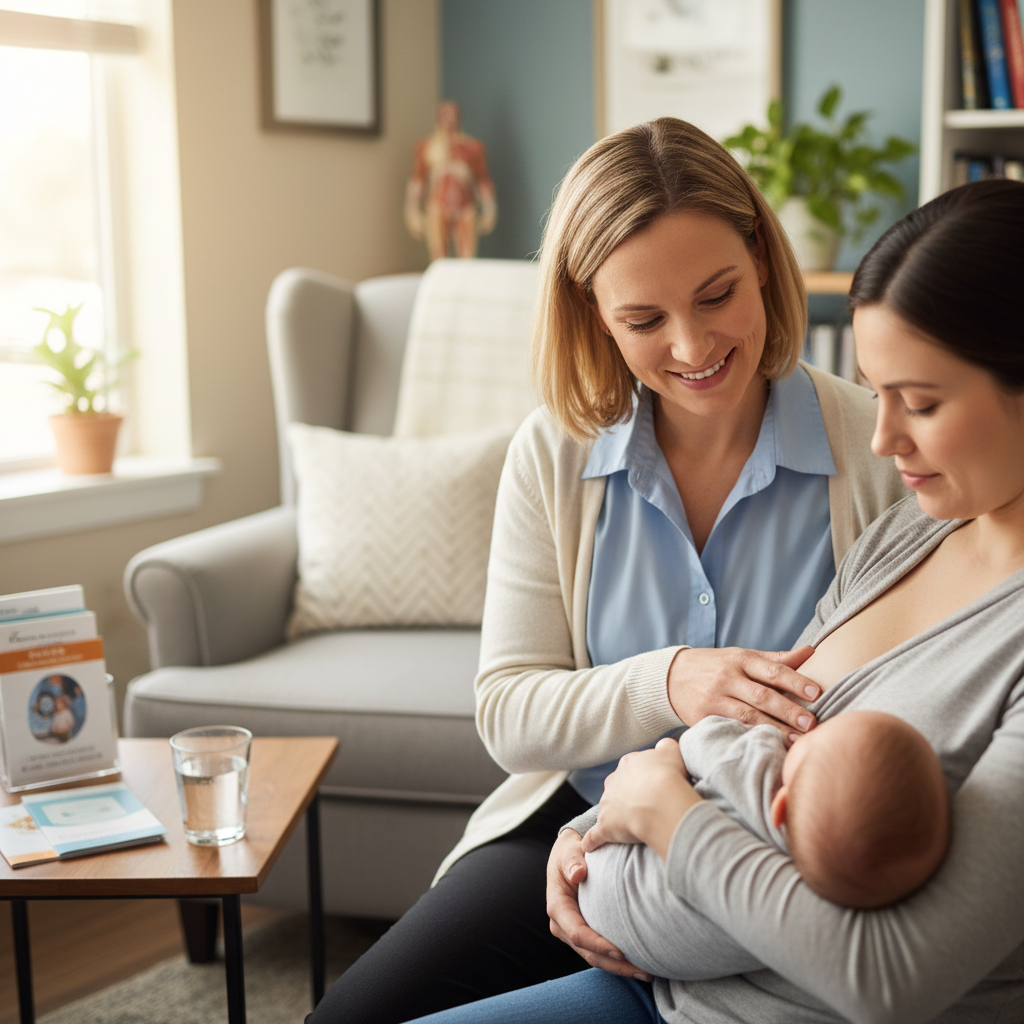
Feedback from the community has been overwhelmingly positive. Mothers expressed a greater sense of control and confidence during childbirth, attributing their positive experiences to the presence of their doulas. Healthcare providers also noted the collaborative spirit doulas brought to the birthing process.
Looking ahead, there is a strong push to expand the program, making doula services more accessible across Westchester. The success of the pilot has set a precedent, encouraging other regions to consider similar initiatives.
Conclusion
The case study of doula support in Westchester illustrates the profound impact that non-medical support can have on birth outcomes. As more communities recognize the value of doulas, the potential for improved maternal and neonatal health continues to grow, promising a brighter future for families everywhere.